An LMS for business training helps organizations deliver structured, scalable, and measurable training programs for employees. In today’s fast-changing business environment, companies need efficient ways to train teams, improve skills, and ensure consistent knowledge across departments.
A Learning Management System (LMS) allows businesses to manage training programs digitally. Instead of relying on traditional classroom sessions, organizations can deliver training through online courses, interactive modules, and multimedia learning content.
When combined with bespoke eLearning content, an LMS for business training becomes a powerful solution that improves employee performance, reduces training costs, and ensures knowledge retention across the organization.
What Is an LMS for Business Training?
An LMS for business training is a digital platform designed to deliver, track, and manage corporate training programs. It allows companies to organize learning materials, assign courses, monitor employee progress, and evaluate training outcomes.
In addition, an LMS centralizes all training activities in one system. Therefore, managers, HR teams, and learning and development professionals can easily manage employee learning programs.
Typical features of an LMS include:
- Course management
- Progress tracking
- Certification and assessments
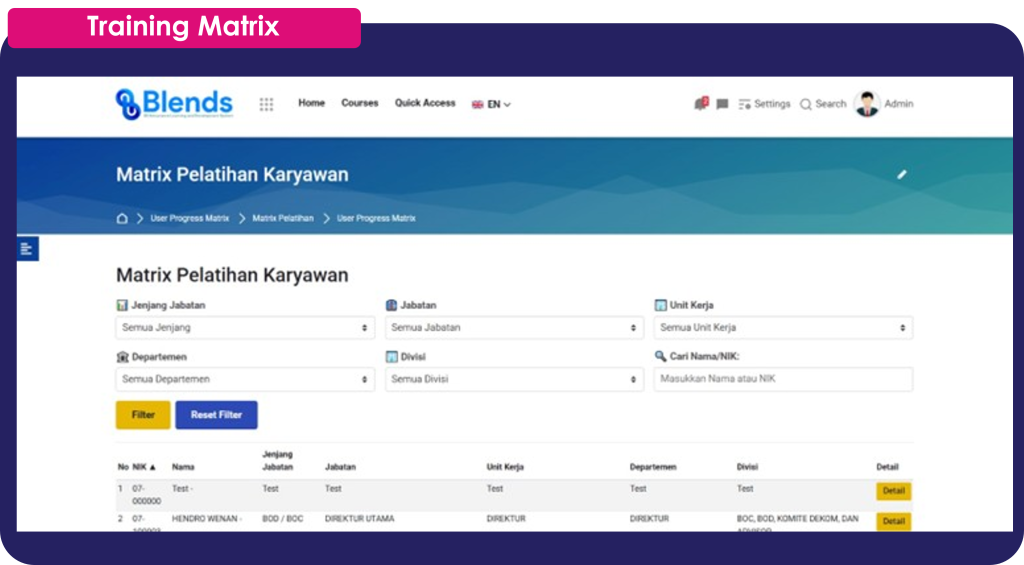
- Reporting and analytics
- Integration with other business systems
As a result, organizations can ensure that employees receive consistent and effective training.
Why Companies Need an LMS for Business Training
Companies increasingly adopt digital learning solutions to improve workforce development. An LMS for business training offers several important benefits that traditional training methods cannot provide.
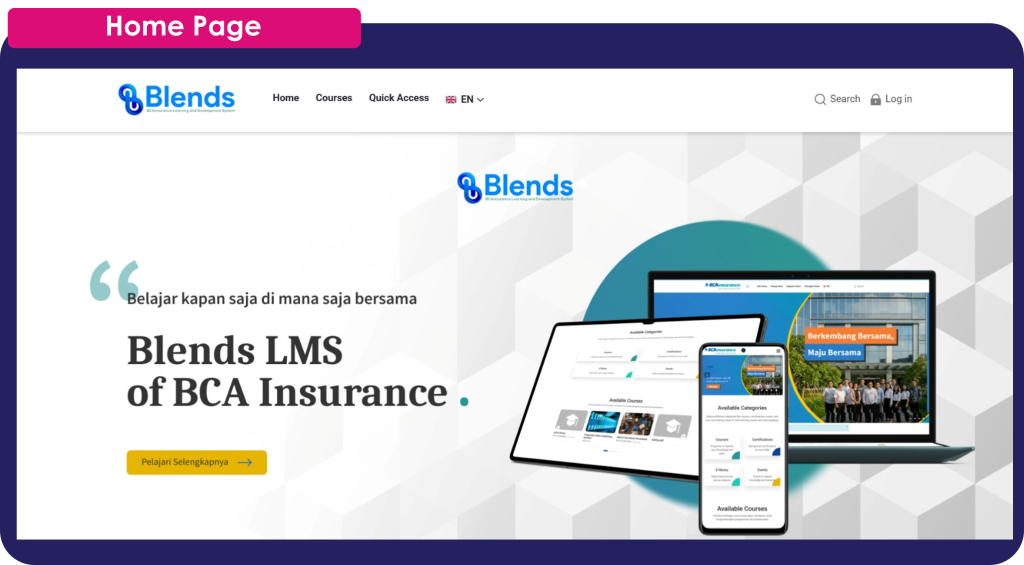
1. Scalable Training Across the Organization
With an LMS, businesses can train hundreds or even thousands of employees simultaneously. This makes training more efficient, especially for large organizations or distributed teams.
2. Consistent Learning Experience
All employees receive the same learning materials and instructions. Consequently, training quality remains consistent across departments and locations.
3. Cost-Effective Learning
Traditional training often involves travel, venues, and printed materials. However, an LMS for business training reduces these costs by delivering courses digitally.
4. Easy Progress Tracking
Managers and HR teams can monitor employee learning progress in real time. Therefore, organizations can quickly identify skill gaps and provide additional support when needed.
5. Flexible Learning Anytime, Anywhere
Employees can access training materials whenever they need them. As a result, learning becomes more flexible and convenient.
Key Features of an Effective LMS for Business Training
Not all LMS platforms provide the same capabilities. A good LMS for business training should include features that support modern corporate learning.
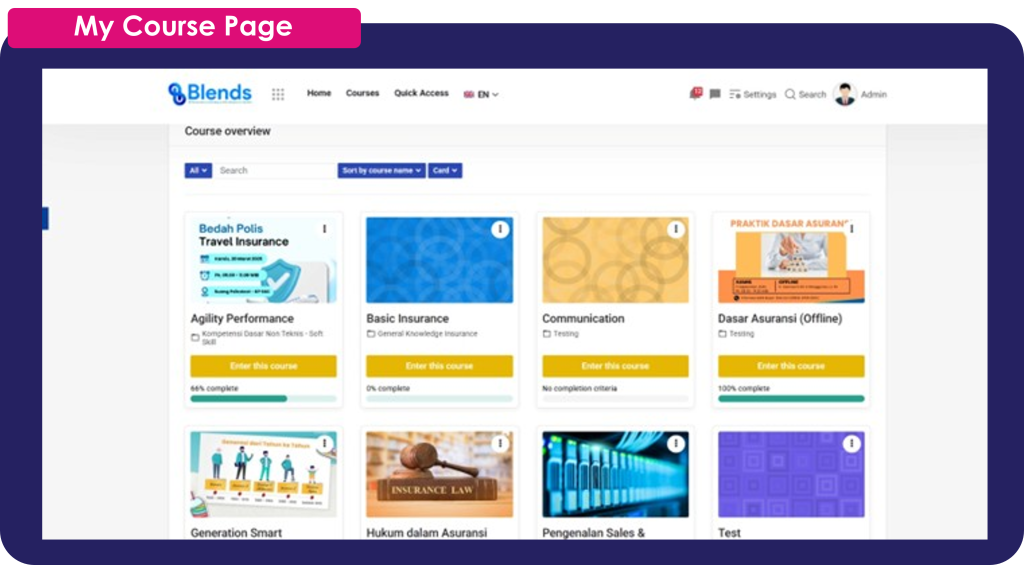
Course Management
Administrators should be able to upload, organize, and manage training materials easily. Courses can include videos, interactive modules, documents, and quizzes.
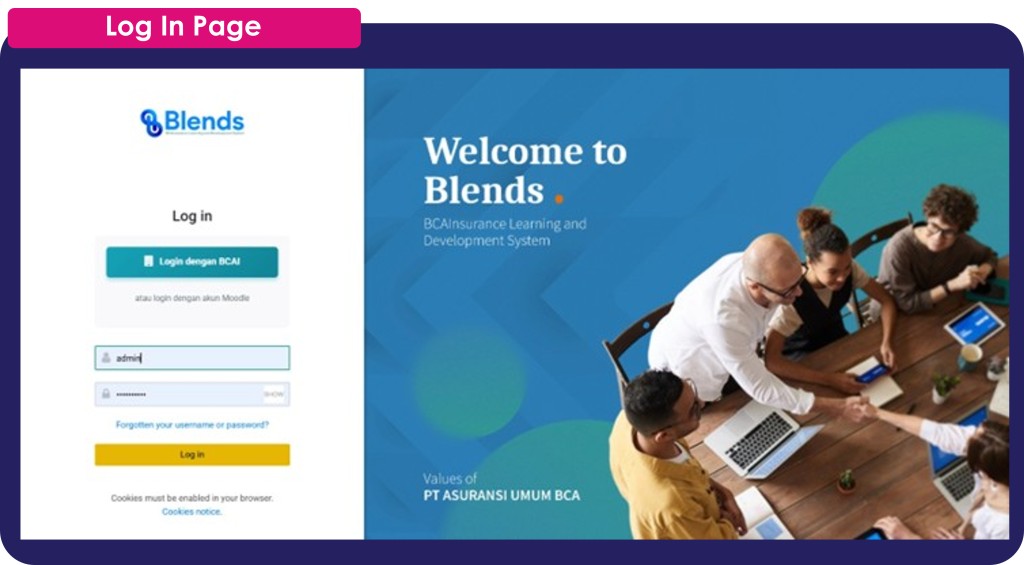
SCORM Compatibility
SCORM compatibility allows businesses to integrate interactive learning content developed using professional eLearning tools.
For example, organizations often develop interactive modules with SCORM standards.
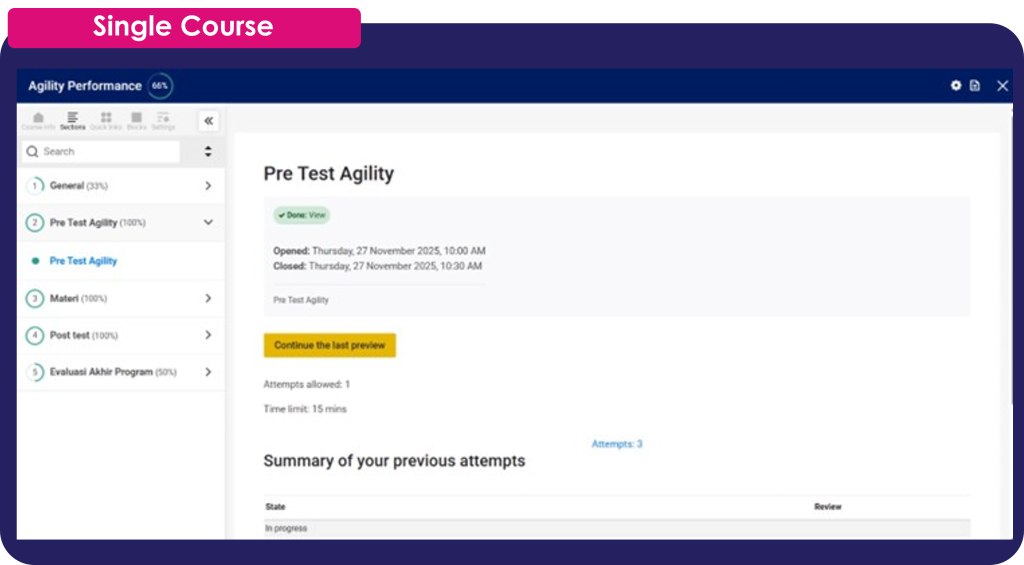
Assessment and Certification
An LMS should include quizzes, assessments, and certification systems. These features help organizations evaluate learner performance and training effectiveness.
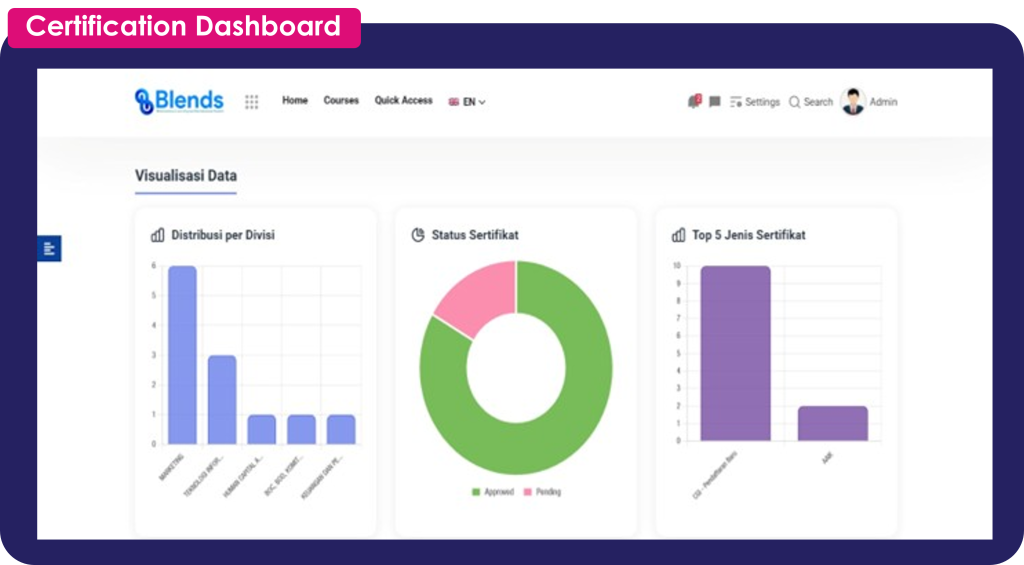
Reporting and Analytics
Analytics tools allow organizations to track completion rates, learner engagement, and training results.
Mobile Accessibility
Modern employees learn using different devices. Therefore, an LMS for business training should work smoothly on desktop, tablet, and mobile devices.
Types of Training Delivered Through an LMS
An LMS for business training can support many types of corporate learning programs.
Employee Onboarding
New employees can learn company policies, workflows, and culture through structured onboarding modules.
Compliance Training
Organizations can deliver mandatory training programs related to safety, regulations, or company policies.
Product Training
Sales teams and partners can learn about new products or services through digital learning modules.
Leadership Development
Companies can develop leadership programs that support employee career growth.
Skills Development
Training programs can improve both technical and soft skills across teams.
Benefits of Combining LMS with Bespoke eLearning
Organizations that combine an LMS platform with customized learning content gain several advantages.
Higher Learner Engagement
Interactive content captures learner attention and makes learning more enjoyable.
Improved Knowledge Retention
When learners actively participate in the learning process, they remember more information.
Training That Reflects Business Needs
Custom eLearning aligns training materials with company processes, products, and goals.
Long-Term Scalability
Organizations can update or expand training modules easily as business needs evolve.
Transform Your Corporate Learning with LMS and Custom eLearning
Implementing an LMS for business training is a strategic step for organizations that want to improve employee development and operational efficiency.
However, the success of digital training depends not only on the platform but also on the quality of learning content. Bespoke eLearning solutions ensure that training materials align with your business goals and provide meaningful learning experiences.
By combining the right LMS platform with customized learning content, companies can create scalable, engaging, and results-driven training programs.
📞 +62811 8985501 (April)
📞 +6281188810580 (Echa)